

The situation in Syria turned tense again this week. The U.S. military confirmed it has launched a major air operation called Operation Hawkeye Strike. This action came after a deadly ambush near Palmyra. In that attack, two American soldiers were killed. A civilian interpreter who was supporting the mission also lost his life. Because of this loss, U.S. officials say they had no choice but to respond. Therefore, the strikes were approved quickly.
USA🇺🇸: US launches retaliatory strikes in Syria on dozens of ISIS targets following a deadly attack that claimed the lives of 3 Americans.
— 𝕏 Ghana 🇬🇭 (@xghana_) December 20, 2025
pic.twitter.com/LiZNwViIEx
The ambush happened during a routine patrol. U.S. defense officials say fighters linked to ISIS were responsible. Although ISIS no longer controls large areas, small cells are still active. These groups often hide in remote desert regions. Because of this, patrol missions remain risky. After the attack, the U.S. reviewed intelligence closely. It then decided that a direct response was necessary.
Why the U.S. Responded With Airstrikes
Operation Hawkeye Strike began with a series of airstrikes across central Syria. Fighter jets and drones were used in a coordinated manner. The targets included known ISIS camps, weapons storage areas, and movement routes. Officials say the aim was clear from the start. They wanted to weaken ISIS operations and reduce their ability to plan future attacks. Meanwhile, the Pentagon stressed that the strikes were limited and focused.
Also Read — https://1percentusatrends.com/trumps-new-move-total-blockade-on-sanctioned-venezuela-oil-ships/
Palmyra continues to be important in this conflict. The city sits in a strategic desert corridor. Because it connects key roads, militant groups have long tried to operate nearby. ISIS once controlled the area and used it as a base. However, even after losing territory, fighters did not disappear. Instead, they shifted tactics. They now rely on surprise attacks and ambushes. This makes the region unstable, even today.
What This Means Going Forward
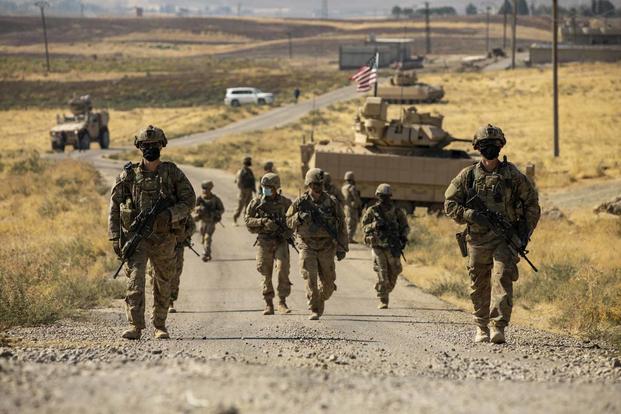
U.S. officials say Operation Hawkeye Strike also sends a clear warning. Attacks on American forces will bring consequences. A senior defense official said the U.S. does not seek a wider war. However, protecting troops remains a top priority. Therefore, the response was designed to be strong but controlled. The goal is deterrence, not escalation.
Across the region, reactions have been mixed. Syria’s conflict already involves many local and international players. Some analysts warn that airstrikes can increase tension. However, others argue that failing to respond would encourage more attacks. The U.S. says it took steps to reduce civilian harm. Intelligence was checked multiple times before targets were approved. Still, the situation will be monitored closely.
For now, the U.S. says the operation is not open-ended. There are no announced changes to troop deployment on the ground. Military officials say surveillance will continue. If ISIS activity increases, more action could follow. At the same time, diplomatic efforts remain active. So, the focus stays on stability while maintaining security.
In the end, Operation Hawkeye Strike reflects a familiar reality in Syria. Even years after major battles ended, danger remains. The deaths of two American soldiers and a civilian interpreter highlight that risk clearly. The U.S. response aims to prevent further loss of life. However, long-term peace in the region remains uncertain.