
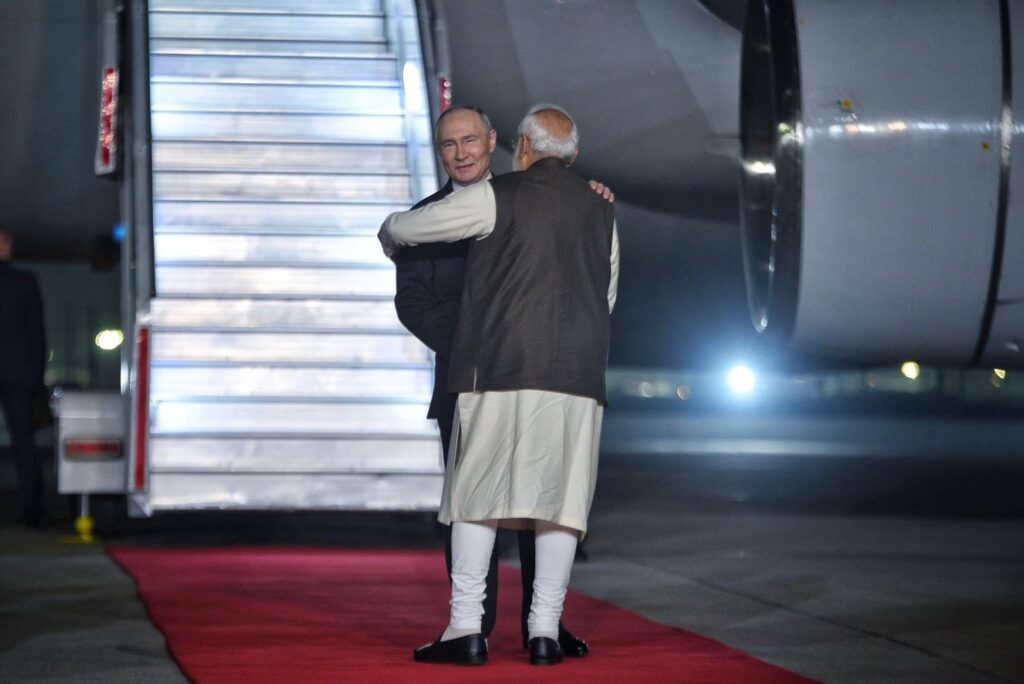
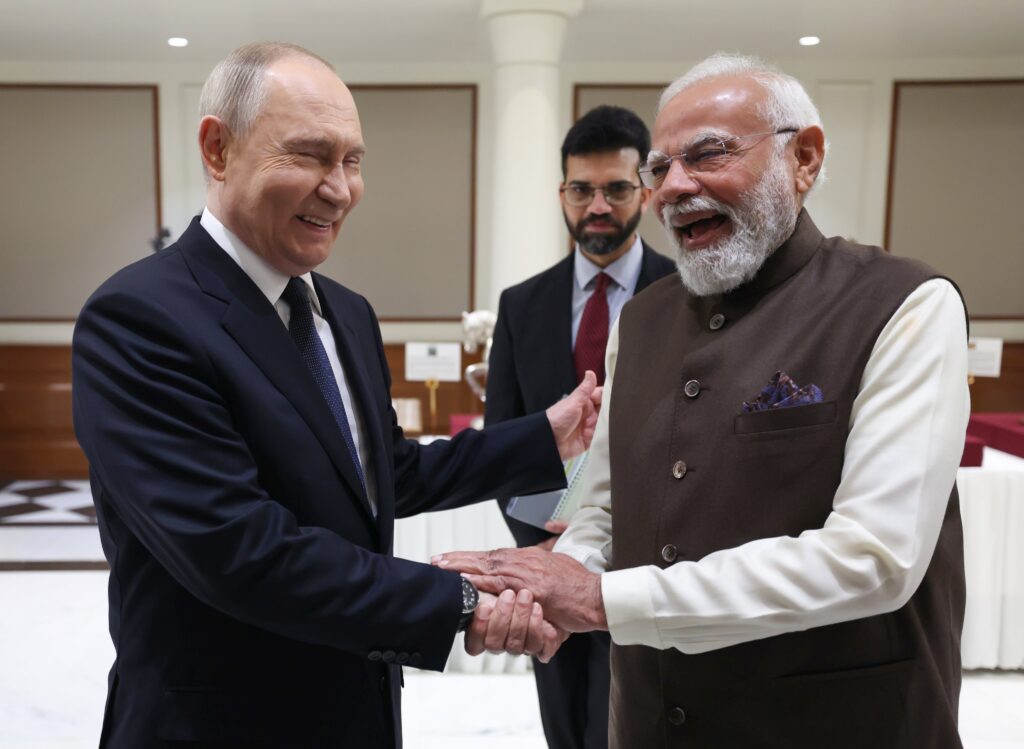
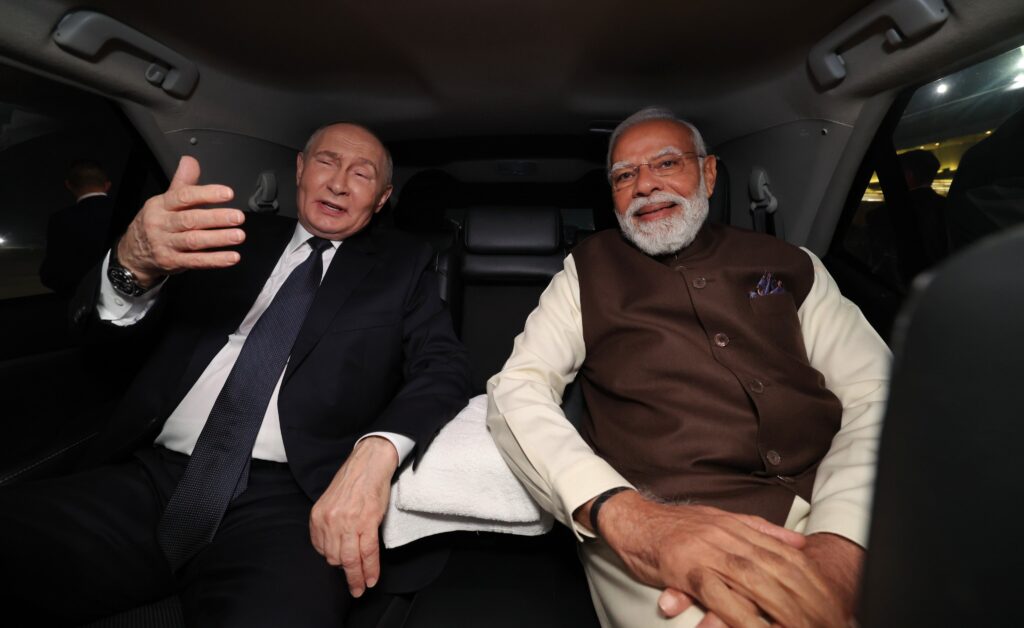
On December 4, 2025, the eyes of the world turned to New Delhi — as Russian President Vladimir Putin landed on Indian soil for a pivotal two-day state visit. The arrival was anything but routine. Instead of being received by a typical ministerial delegation, Putin was greeted personally by India’s Prime Minister Narendra Modi. The two leaders hugged, shook hands, and — in an evocative moment — shared a ride together leaving the airport.
Delighted to welcome my friend, President Putin to India. Looking forward to our interactions later this evening and tomorrow. India-Russia friendship is a time tested one that has greatly benefitted our people.@KremlinRussia_E pic.twitter.com/L7IORzRfV9
— Narendra Modi (@narendramodi) December 4, 2025
This was no ordinary diplomatic gesture. In the high-stakes chessboard of global geopolitics, such warmth and visibility sends a powerful signal. It marks the revival of a close India–Russia relationship — now under renewed scrutiny and worldwide attention.
The Eyecatching Moments That Stole the Spotlight
The Hug at the Tarmac: As Putin stepped down from his aircraft, Modi was already on the red carpet—not protocol, but personal. A warm embrace followed by a handshake made headlines, signaling personal rapport and respect.
Shared Car, Shared Message: Instead of separate motorcades, the two leaders rode together in the same car. It might seem small, but in diplomacy, these visual cues are deeply symbolic — underlining closeness, trust, and a sense of partnership.
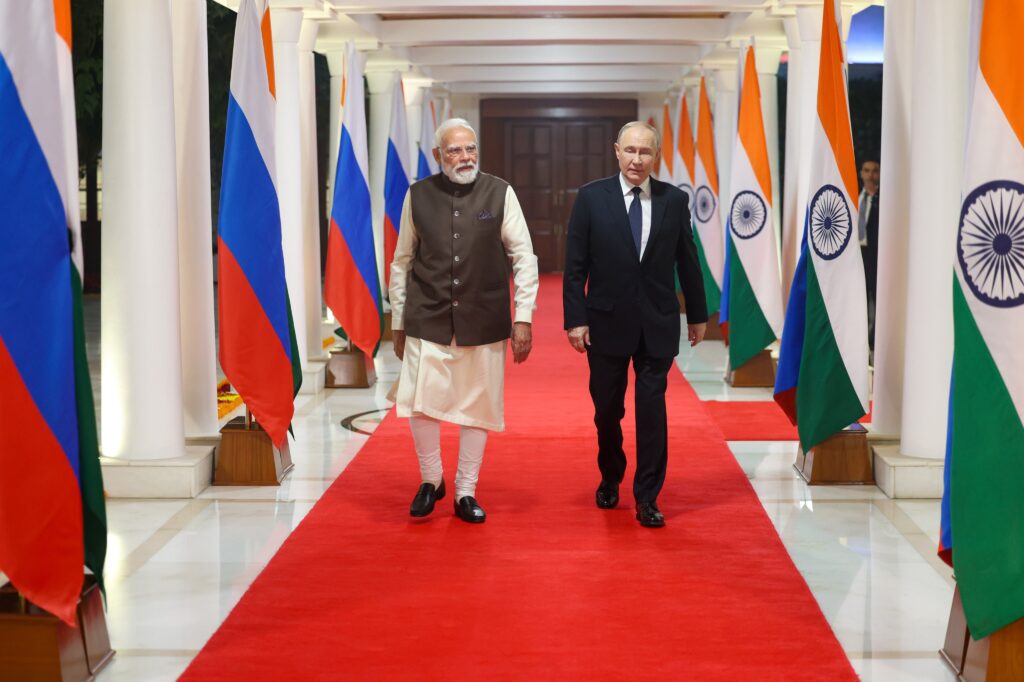
Capital Dressed Up: Delhi wore its best welcome — flags of India and Russia adorned light poles, hoardings across major roads bore the leaders’ images, and the city buzzed with anticipation. It was a colorful, public show of camaraderie.
Across India, Warmth and Festivity: In cities like Varanasi — earthen lamps and flags greeted Putin’s arrival with a traditional “aarti” and celebratory march. The streets echoed with chants of friendship, showcasing India’s cultural warmth alongside strategic ties.
These visuals — a hug, a shared car, festive flags, public cheers — captured hearts and cameras. More importantly, they sent a strong message: India and Russia remain “friends,” regardless of global pressures.
What’s Really on the Table — Deals, Diplomacy, and Strategy
The visit goes far beyond symbolic gestures. Behind the warmth are serious talks, deals, and long-term cooperation planning.
- Trade & Economic Overhaul: The two nations aim to raise their bilateral trade from nearly USD 69 billion today to USD 100 billion by 2030 — while moving beyond just energy imports to include goods like machinery, electronics, food, seafood, textiles and more.
Defence & Security Cooperation: With Russia already a key arms partner, this visit is expected to push forward further defence deals — including talks around air-defence systems and possibly fighter jets.
Broader Cooperation — Energy, Healthcare, Mobility: Agreements are likely not limited to defence and trade. Russia and India plan to work together in energy (including oil supplies), health, labour mobility, and even scientific and technological cooperation.
Strategic Autonomy & Diplomatic Balance: For India, this visit reinforces a long-standing foreign-policy approach: remain independent, build diverse partnerships, and avoid being drawn entirely into one global bloc. In the current global tension, this ride — literally and metaphorically — represents a reaffirmation of that stance.
What This Means for Global Players — Including the USA & the West
The timing of this visit is crucial. Russia remains under heavy global scrutiny since its war in Ukraine, and many western powers, including the USA, are observing India’s moves closely.
- By choosing to host Putin so warmly, India signals that it won’t bow to external pressure — and will continue to prioritize its long-term interests. That shakes up assumptions about global bloc alignments.
- For countries like the USA and members of the European Union pushing diplomacy around Russia and Ukraine, this renewed India–Russia closeness complicates efforts to isolate Russia completely. India is sending a message: diplomatic engagement and strategic autonomy over global allegiance.
- On the other hand, deepening defence and energy ties between India and Russia might push rival nations to re-evaluate their approach — possibly leading to more hedging, diplomacy, and strategic reconsideration on all sides.
What Made This Visit Special — More Than Just Politics
What makes this encounter stand out is not just strategic importance — but a story told through gestures and symbolism:
- A leader stepping out of protocol to welcome another on the tarmac.
- Two political heavyweights riding together in a car.
- A capital city draped in flags and festivity.
- Everyday citizens — from cities like Varanasi — lighting lamps, singing songs, showing warmth.
In other words: diplomacy was humanized. Power was personal. And alliances were reaffirmed not just by treaties, but by gestures that everyone saw.
The December 4 welcome of Putin by Modi isn’t just a photo op — it’s a statement. In a volatile, shifting world, India appears determined to chart its own course. The hug, the shared car ride, the national-level fanfare — all speak of a deeper story of trust, continuity, and strategic vision.
For global observers, it’s a reminder: alliances, especially in today’s multipolar world, are rarely black and white. They’re nuanced, rooted in mutual interest, history, and sometimes, simple human respect.
If you like, I can draft a headline + social-media summary (tweet + LinkedIn post) based on this — ideal if you want to publish or share this blog online soon.