
In an unexpected and highly controversial move, former Honduran President Juan Orlando Hernández, who was serving a long prison sentence in the United States for drug trafficking, has been released after receiving a “full and complete” presidential pardon from President Donald Trump. The decision has triggered intense debate across Washington, Latin America, and the global political community. Supporters call it a bold correction of injustice, while critics argue it undermines years of international anti-narcotics efforts.
Who Is Juan Orlando Hernández? A Leader Who Shaped Honduras
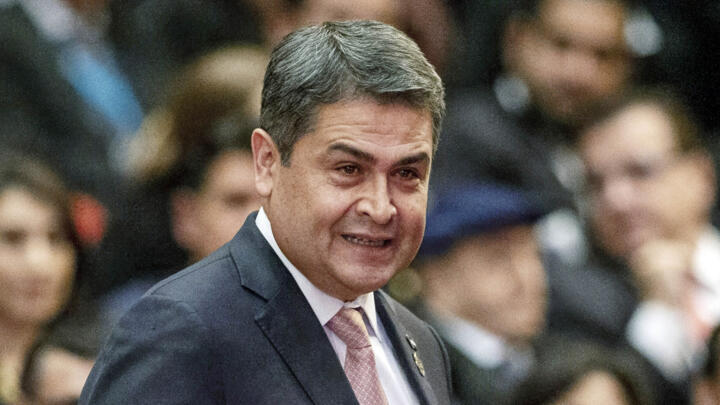
Juan Orlando Hernández served as the President of Honduras from 2014 to 2022, leading the country for two consecutive terms.
His presidency was marked by:
- Tough anti-gang policies
- Military-backed policing
- Strong U.S. cooperation on migration and security
- High-profile corruption accusations
For many supporters, Hernández represented stability in a country plagued by gang violence. Critics, however, accused him of building an authoritarian model and centralizing power through questionable constitutional maneuvers.
The U.S. Trial: A Historic Conviction of a Former President
In March 2024, Juan Orlando Hernández was found guilty in a New York federal court on:
- Drug trafficking
- Firearms conspiracy
- Aiding violent criminal networks
The verdict marked a historic moment—the first time a Honduran president was convicted in a U.S. court.
During sentencing, prosecutors labeled him:
“A central figure in one of the world’s largest cocaine pipelines.”
The conviction sent shockwaves across Central America, reinforcing the idea that even heads of state could be held accountable on foreign soil.
A Stunning Decision That Caught the World Off-Guard
Hernández, once a powerful political figure in Honduras, was convicted in the U.S. after prosecutors accused him of working closely with major cartels and using his presidency to protect large-scale drug shipments moving through Central America. His conviction was seen as a landmark moment—proof that even presidents could not escape accountability.
That narrative was shaken overnight when Trump issued a surprise pardon, describing Hernández’s treatment as “extremely harsh and politically motivated.”
According to the White House statement, Trump believes the former Honduran leader was targeted unfairly and that “new information” justified releasing him immediately.
Why Trump Says the Pardon Was Necessary
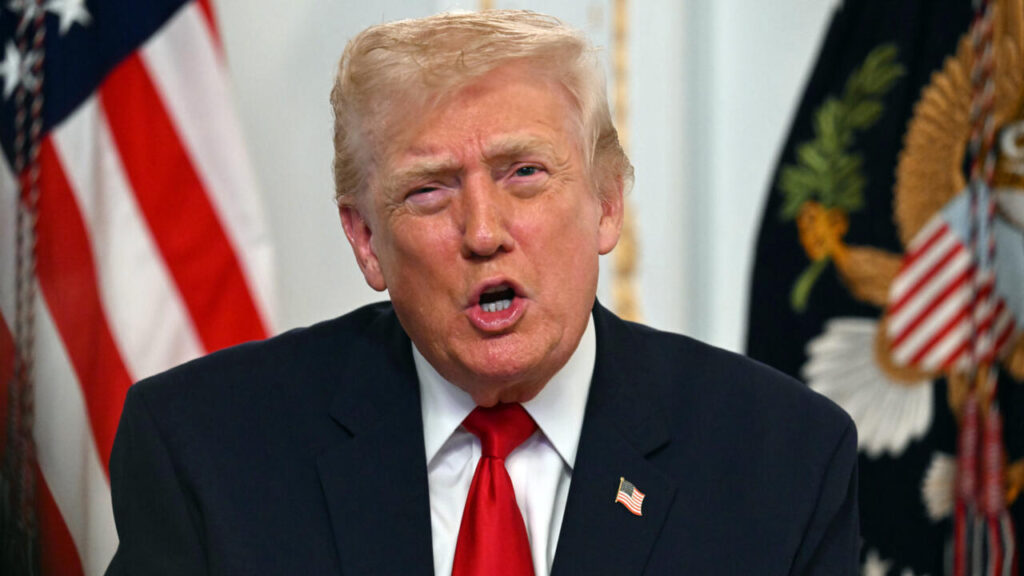
In a brief statement to reporters, Trump defended his actions:
“President Hernández was treated unfairly and pressured by political agendas. The sentence was excessive, and the truth was never fully examined.”
Trump added that the U.S. should support allies in Latin America rather than “destroy them with biased legal actions.” He also hinted that Hernández provided “valuable cooperation” in U.S. foreign policy issues during his presidency.
Officials close to Hernández have repeatedly insisted he was innocent and that the charges were exaggerated by political rivals and cartel members seeking shorter sentences.
The decision has sparked large waves of criticism, especially from Democratic lawmakers and human rights organizations. Many argue that Hernández’s conviction was based on years of evidence collected by FBI, DEA, and federal prosecutors.
Senator Chris Murphy openly questioned Trump’s motives:
“This pardon sends the worst possible message to criminals and corrupt leaders worldwide. It signals that money, influence, or political loyalty can override justice.”
Others say this move could damage long-term collaboration between Washington and Central American governments. Hernández’s arrest and conviction were seen as a major victory in the fight against transnational drug networks that operate from Guatemala to Mexico.
What’s Next for Hernández?
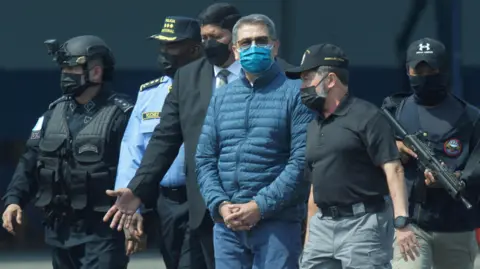
After his release, Hernández was seen leaving the facility surrounded by tight security. Reports suggest he plans to return to Honduras soon, although U.S. officials have not confirmed his travel arrangements.
Sources close to his family say he intends to “clear his name” and speak publicly about the case, which could ignite even more political tension in both countries.
His future role in Honduran politics remains uncertain, but experts believe his influence—whether direct or indirect—will be felt for years.
A Decision That Will Shape U.S.–Latin America Politics
Trump’s pardon of Juan Orlando Hernández is more than a legal action—it is a geopolitical earthquake. It raises questions about U.S. foreign policy, political influence over justice, and the future of anti-drug operations across the Americas.
Whether history remembers this as an act of justice or a dangerous political gamble will depend on what happens next.